Showing posts with label Hurricane Sandy. Show all posts

Sunday, September 3, 2017

Lessons Learned From Hurricane Harvey

How Natural Disasters Can Strengthen Our Faith
by Pastor Paul J. Bern
To view this in your browser, click here! :-)
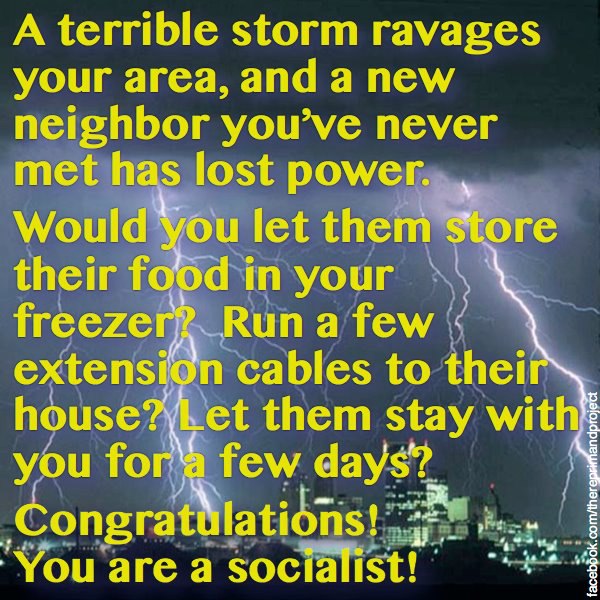


By now everyone knows about the disastrous mega-storm named Harvey and its aftermath. This has been without a doubt the worst natural disaster America has ever experienced, certainly in my lifetime. Not since Hurricane Sandy has the US seen flooding this disastrous. Only the earthquake and tsunami that struck Japan several years ago was a still greater disaster, and to this day radioactive water continues to leak into the Pacific ocean from northeastern Japan, poisoning the planet! We were luckier this time than the victims of hurricane Sandy since the death toll from Harvey is about half of that of Sandy. Moreover, there were tens of thousands who died in the Japanese disaster before that. With a tidal wave of insurance claims by Japanese home owners and business owners that exceeded $100 billion USD, the triple disasters of an earthquake, a tsunami and the meltdown of 3 nuclear reactors at the Fukushima nuclear power plant in northeastern Japan is her worst disaster since World War Two. However, hurricane Harvey's damage will easily cost 3-5 times as much to rebuild as the Japanese disaster.


Back in 2013, America had a series of tornadoes sweep across the mid-western and southern US from Alabama and Georgia all the way up to Ohio and Indiana, claiming 31 lives and causing many millions of dollars in damages. During times like these many wonder why God allows such disasters to occur. It seems to those lacking in faith that if God were the all-loving and all-powerful God that He allegedly is, then such disasters would never happen in the first place. I completely disagree with this idea, which from my vantage point is based on insufficient or incorrect teaching combined with misguided and/or dumbed-down secular education! God takes us through hard times and allows us to go through all kinds of trials and hardship – even persecution within supposedly “Christian” churches such as I have previously experienced – to build and strengthen our character and our minds, and to teach us to have resolve and great fortitude. The apostle Paul wrote in his letter to the early Roman church that “persecution builds character, and strong character builds hope, and hope builds patience.” And the apostle James wrote long ago, “Consider it pure joy, my brothers, whenever you face trials of many kinds, because you know that the testing of your faith develops perseverance. Perseverance must finish its work so that you may be mature and complete, not lacking anything.” (James 1, verses 2-3) So, to go through hardship is to be in growth while engaging in personal enrichment. That is why, in times like these, so many people find comfort in their faith.


Whenever disasters like this occur, I go back to the Bible to the First Book of Kings. Elijah, in despair over the situation in Israel, runs to the desert and back to Mt. Sinai to find the God of the Revelation to Moses. "And lo, the Lord God passed by. There was a mighty wind, splitting mountains and shattering rocks, but the Lord was not in the wind. There was an earthquake but the Lord was not in the earthquake." To me, that is the key: the Lord was not in the earthquake in Japan. He wasn't in Hurricane Sandy's mighty winds, and wasn't in the drenching of Harvey either, although it is easy to see why many would disagree. Natural disasters are usually acts of nature, but they can be acts of God, too. In fact, the Bible lists a fair number of examples, with the obliteration of Sodom and Gomorrah being among the most prominent. But God cares about the eternal well-being of all people. Mother nature, on the other hand, is blind and an equal-opportunity destroyer. Where and when is God present in the hardest hit areas of the US mid-Atlantic and New England region today? Where is God in the leftover environmental and collateral damage of Fukushima? Where was He when those tornadoes leveled parts of Indiana, Ohio, Kentucky, Tennessee, Alabama and Georgia? 'I want to know where God is in all this', many have said this past week.


The answer to that question is, He is present in the courage and resolve of people to carry on their lives after these tragedies, and in the resilience of those whose lives have been destroyed who vow to rebuild, whose loved ones have been swept away and whose homes were destroyed. God is still present in the goodness, kindness and generosity from people all over the world who reach out and help strangers who live far from them, to contribute aid and to pray for them (hopefully a lot!). How can people do such things if God were not at work in them to lend a counterweight to the devastating burden of a natural disaster? He is present in the human empathy and compassion of the thousands of volunteers who are helping with the cleanup in the greater Houston area, not counting all the other places from western Louisiana west to Corpus Christi, where selfless people working without any expectation of compensation are currently laboring to help these most unfortunate people, the majority of whom are in dire straits.


For believers and non-believers alike, there is no satisfactory answer for why we suffer. Each person has to come to grips with that fact of life in their own way. It’s not as if some magic answer can be found within humanity. But the idea of God suffering along with us while possessing unfathomable sympathy and endless love for us all can be very helpful to say the least. Jesus followers like myself believe that God became human in the form of Jesus Christ, who suffered unimaginably extreme pain and then died on the cross, only to rise from the dead on the morning of the third day. At the moment of death, Jesus on the cross cried, “My God, my God, why have you forsaken me?” (Matt. 27: 46) Christians do not worship an aloof and impersonal God, but a God who understands what it means to suffer. People can relate more easily to a God who understands them, and whose suffering 2,000 years ago on the cross makes the trauma of any natural disaster seem like child's play.


Where is God right now? God is right there in the midst of people who are grieving and sorrowful. In my own life, when I have felt great sorrow I have trusted that God is with me in this and that I’m not facing my struggles alone. Oftentimes people become much closer to Jesus in times of sorrow or tragedy. They find that they are able to meet Him in new ways. Why? Because when our defenses are down and we’re more vulnerable, God can open up our hearts more easily. It’s not that God gets closer to us, it’s that we become more open so that we are drawn closer to him.


These natural disasters have become the collective responsibility of all humankind to mobilize our compassion and resources to ease the pain of the people who have suffered. There are those who say such disasters are the result of the sins of those who were victims, while there are others who disagree. I don't care to address that issue here except to say that America, from the leadership on down, is in so much sin that it collectively needs some serious repentance. There can be no doubt that the American Empire is in need of some restraint. By the same token, I want to be clear that none of the hurricane victims “deserved” these disasters because of anything they said or did. Rather, I see these kinds of tragedies as being part test and part rebuke from God.


I firmly believe that God tests those He loves, and these tragedies also serve as a reminder to the rest of us to remain grateful to God for all our blessings and be cognizant of the fact that we have a moral obligation to support those in need. These kinds of calamities should (hopefully) motivate more of us to act in positive ways. They should strengthen our faith in God and in his goodness, particularly when we see evidence of Him in the rebuilding efforts that are already underway, not to mention all the volunteers and donations that are pouring in. We attribute the things we don’t understand to God's limitless wisdom and comfort ourselves that he is with us and he loves us, so there must be some meaning in what has happened, even if it is beyond our comprehension here at this time.


We are trained by life and by our faith in Christ that every suffering, whether big or small, brings us closer to God’s love, his mercy and forgiveness, even to the extent that Jesus said, “Blessed are the poor in spirit, for theirs is the Kingdom of Heaven” (Matt. 5: 3). So you can clearly see that those who are the most dispirited by these natural disasters and related misfortune will always wind up being the most blessed because of it. That's how God works. These times of suffering give us an opportunity to demonstrate our generosity, patience and faith In doing so we become closer to God by our service to humanity. Every natural disaster we experience challenges us as God’s trustees on this Earth, showing us that we should continue to study and explore ways of safeguarding humankind from being subjected to this kind of devastation. It is the collective duty of all humankind to put resources into this and advance our understanding of how to respond to these disasters in a scientific way while constantly maintaining our Spiritual connections with Christ – while never letting go of either.


As we contemplate the great number of people who have suffered and died in these tragedies, we may feel very strongly that a part of ourselves has also died due to our family ties and interconnections. The word for this is 'empathy'. The pain of one part of humankind is the pain of the whole of humanity, for all who worship Jesus Christ as the Son of God and Lord of the universe. The human species and the planet Earth are one body comprising one living environment. What happens to one part of humanity happens to the whole of humanity. Events such as these remind us of the temporary nature of our lives. It helps us remember that what’s most important is to love God first by believing in Jesus and then to love each other, to be there for each other, and to treasure each moment we have that we are alive. This is the best that we can do for those who have died. We can live in such a way that they are continuing to live in us but more mindfully, more profoundly, more beautifully, savoring every minute of life available to us on their behalf as well as our own. Anyone claiming to be a Christian, but who is unaffected by or laughs at the misfortune of others, is as phony as a 3 dollar bill, and deep down inside they know it too. We don't have much time left. The second coming of Christ is likely imminent! When He returns, the first thing we will be asked has nothing to do with our religious beliefs. Jesus will first ask us, 'What did you do for others, and how did you go about it?'. We will all be commanded to give an account of ourselves, how we lived our lives, and particularly how we treated others. Jesus said, “I desire mercy, not sacrifice”, and that is perfectly applicable to natural disasters and how well we serve those victims.


I don’t believe God wanted any of these disasters to happen. I don’t think this was ever God’s intention at all. We know that there are going to be storms in life, and anyone believing otherwise is only fooling themselves. No matter what happens we need to keep our faith and trust in almighty God. And I want the people of Japan, the Texas coastal areas, and all the rest of the world to know that God hasn’t forgotten them, that God does care for them and that He most definitely loves them. We care and God cares, and we’re standing by you all. And we will use these experiences to practice that which strengthens us most, which is human compassion and empathy. As the human population continues to grow throughout most of the world, it is our responsibility as believers in Jesus to begin making sure that there is enough to go around for everybody by sharing our natural and human resources wisely. Taking care of disaster victims, or donating whatever one can spare if they are unable to be there in person, is a very good place to start.


Sunday, October 20, 2013

Happy anniversary to "the 99%" and Occupy wall st.

Happy Belated 2nd Anniversary, Occupy Wall Street

While I was rebuilding my computer and repairing my Internet connection these past few days, and as fall begins, I found myself reflecting on the second anniversary of Occupy Wall Street and the fifth anniversary of the financial collapse induced by Wall Street and the mortgage industry. I was there for the first three days of Occupy DC at Freedom Plaza in October 2011, and again later that month for a day of Occupy Atlanta in Woodruff Park in the heart of downtown, and I have some fond memories of being part of something much bigger than myself or the sum of my experiences.


There are reasons to celebrate Occupy, as well as the loosely affiliated “We Are The 99%” Movement which is also still ongoing, despite continued economic stagnation and growing debt. The culture of resistance in the US is here, it’s having an effect, and it's growing slowly but steadily. There are cracks in the pillars of power, they're starting to get a little bigger, and it’s up to us to pry them the rest of the way open and shine the light on the lies and corruption that have been used to steal our future. I look back over the events of the past two years and feel cautiously optimistic, because I see a movement that is steadily building momentum. As we met at Freedom Plaza in Washington, DC, on Oct. 6th, 2011 there was a strong sense of suspense in the air. Some said that Americans weren’t feeling enough pain, that we hadn’t reached the tipping point. Similarly, the organizers of Occupy Wall Street acted out of anticipation. They staked out a place in the heart of the monster and held it. At first there were only a few hundred, but by holding that space courageously, more people were inspired to join them. Excitement and wonder were in the air. Could the people really take on Wall Street? Obviously Wall Street thought so because they ordered excessive and constant police protection. They must have seen something brewing because Wall Street firms had donated unprecedented millions to the NYPD over the previous year. It was police aggression towards peaceful protesters that grabbed public attention and sympathy. A few weeks after the start of Occupy Wall Street, an amazing 43 percent of Americans supported Occupy, a figure that remains largely undiminished to this day.


Two years later, the physical encampments are gone, but the Occupy Movement remains. Occupying public space was a tactic, not an end in itself. It was a way to make the issues visible, a place for people to gather, a model for a new way of doing things based on respect, mutual aid and democracy and a metaphor for claiming what has been taken. The ‘public’ is disappearing, not just public space but also public services, research and resources have been privatized, expropriated for the profits of a few. When the financial crisis hit in 2008, there was an expectation that the government would respond appropriately to stabilize the economy and that we simply had to weather the storm. What we saw instead were massive bailouts of the industry that caused the crash and greatly inadequate steps to secure jobs, housing and health care. This turned some already catastrophic financial crises caused by runaway private speculation into an immense source of private gain for the same very financiers responsible for the catastrophe to begin with. Even worse, it made those catastrophes so much more catastrophic than they really needed to be in the first place.


As a result of all this mess, we’re not heading toward greater income equality. We’re not building up the middle class or supporting unionization. We’re not eradicating poverty and hunger. We’re not expanding educational opportunity. We’re not rebuilding infrastructure. Nothing we’re doing looks anything like the society we built from the New Deal through the 1960s. We’re not doing any of the things that would lead to a more stable and just economy. In fact, we’re doing just the opposite, which means the billionaire bailout society will become even more firmly entrenched. This means that if left unchecked, the trends towards greater inequality and suffering will not only continue, it will accelerate as well. But the billionaire bailout society went too far. According to a Stanford study, “animosity toward the financial sector reached its highest level in 40 years in 2010” which probably fueled the Occupy and 99% Movements, and anger remains high. A majority of Americans believe that “not enough was done to prosecute the bankers.”


When drowning in so many crises it is sometimes hard to see above the surface of the water, but the anti-globalization movement and its offspring, the Occupy and “the 99%” Movements, are having an effect. Since 2000, the World Trade Organization has been unable to advance its agenda and 14 free trade agreements have been stopped by public pressure. The Trans-Pacific Partnership and its sister the Trans-Atlantic Trade and Investment Partnership known as TAFTA, are being negotiated in secret as a way to pursue the WTO agenda through the back door. A recent study found that the TPP will reduce wages for the bottom 90 percent of people in the US while significantly increasing the wealth of the top 1 percent. The AFL CIO passed a resolution opposing the TPP and Teamster President James Hoffa wrote, “Workers on both sides of the deal get screwed while corporations rake in record profits. Like low-wage workers in the fast food and retail industries, workers must join together to let Congress know that the TPP is not the right path for the U.S.” A broad coalition of groups have come together to stop the TPP. At the Occupy Wall Street protests recently in New York, the TPP was a top theme. In addition to marches and teach-ins focused on the TPP, the Money Wars street theater group performed its epic battle of Princess Laid-Off and the rebels against the TPP Death Star, Emperor Pipeline and Dark Banker. Actions are taking place this weekend and next week in Washington. If we are successful, this will be a huge victory against transnational corporate power.


There have been a number of wins recently against top corporations. The Nez Perce tribe and their allies took on General Electric and won a case to stop truckloads of tar sands from crossing their land in Idaho. Exxon was charged for illegally dumping toxic fracking waste in Pennsylvania. And JP Morgan CEO Jamie Dimon admitted that the bank broke the law. Another important win that is inspiring many in the US took place in Colombia where farmers went on a prolonged strike to win back the right to use their own seeds. The anti-Monsanto and anti-GMO movement is strong here. Thousands of people marched this week in Kauai for a law to protect themselves from pesticides. And, despite an outpouring of money, a vote to label GMO products in Washington State is still holding strong. And stopping the imminent attack on Syria was a win for people everywhere and a loss for the military industrial complex. Raytheon and Lockheed Martin in particular were set to make hundreds of millions from it. We must be vigilant though because the current diplomatic path could be used to justify an attack in the future.


It is important to recognize these wins and to build from them. It is also important to remember that we never know how close we are to achieving significant change. The occupy movement spawned the “idle no more”, workers’ rights and climate change movements. Our eyes are open and we can’t ignore what we now see; we know that it is the plutocratic system, not individual inadequacy that is causing poverty in America. We know that the $1 trillion given by the Federal Reserve to private banks could have created 20 million desperately-needed jobs. We know that the 400 richest people in the US have more wealth than the GDP of entire countries like Canada and Mexico. And we know the names of those who control the wealth and exploit people and the planet for it. We no longer expect “leaders” to create the change we need. We are all leaders and change depends on our actions and ours alone.


The culture of resistance necessary to create the kind of world we want to live in is here. Actions are taking place daily in the US and around the world. You won’t hear about most of them in the mass media. This week alone, more than one hundred women, most of them undocumented, were arrested in Washington, DC to protest the ways that immigration policies harm their families. Dairy workers in New York protested their abusive working conditions. Protesters in Vermont, ages 65 to 94, chained themselves to the entrance of the Vermont Yankee Nuclear Power plant to demand its immediate closure and Marylanders protested outside an ‘arms bazaar.’ The Cascadia Forest Defenders scaled the capitol building in Oregon to drop a huge banner to protest clear-cutting.


Resistance is not all protesting, it also includes building alternative systems to meet our basic needs. Many who are active in OWS have been hard at work at this since the physical occupation was shut down. This week the Occupy Money Cooperative announced its launch with a fund raising campaign. They will provide low-cost financial services to the millions of Americans who are unbanked and under-banked and who are preyed upon by banks, check cashing services and payday lenders. It will be an opportunity for all to opt-out of big finance. Just as OWS created the infrastructure that was used to organize Occupy Sandy and continues to provide services to those affected by Superstorm Sandy, occupiers in Colorado responded to the needs of people in the Boulder area who were hit by massive flooding.


Hard work is being done every day to take on entrenched corporate power and create a new world based on principles such as mutual aid, community, equity, solidarity and democracy. It is appropriate to stop and celebrate this work and what has been accomplished so far. Things are changing. Justin Wedes of OWS writes, “Sure, we face an uncertain future, but we embrace the chaos that defines our time. Because, there is no alternative but to challenge the status quo of ever-increasing debt, shrinking job opportunities and disappearing civil rights.” We can’t say what the outcome will be or whether we will live to see the world we hope to create. Can there even be an endpoint? Perhaps the most important piece of social transformation is not a goal but rather is the process of living in a way that is consistent with our values. We live in the culture of resistance which requires constant nurturing to bend the arc of time towards justice.

Sunday, November 4, 2012

Natural Disasters Have a Silver Lining

How Disasters Can Strengthen Your Faith


By now everyone knows about the disastrous mega-storm named Sandy and its aftermath. This has been without a doubt the worst natural disaster since the earthquake and tsunami that struck Japan earlier this year. We were luckier than the Japanese since the US death toll stands at just over 100 individuals compared to tens of thousands in the Japan disaster, but the damage has been at least twice as much as Japan's. With a tidal wave of insurance claims by Japanese home owners and business owners exceeding $100 billion in US dollars, the triple disasters of an earthquake, a tsunami and what we now know was a meltdown of 3 nuclear reactors at the Fukushima nuclear power plant in northeastern Japan are the worst Japanese disaster since World War Two. However, hurricane Sandy's damage will easily cost 3-5 times as much.


Earlier this year we had a series of tornadoes sweep across the mid-western and southern US from Alabama and Georgia all the way up to Ohio and Indiana, claiming 31 lives and causing many millions of dollars in damages. During times like these many wonder why God allows such disasters to occur. It seems to those who lack any faith that if God were the all-loving and all-powerful God that He is, that such disasters would never happen in the first place. I completely disagree with this idea, which from my vantage point is based on insufficient or incorrect teaching and misguided or dumbed-down secular education. God takes us through hard times and allows us to go through all kinds of trials and hardship – even persecution within supposedly “Christian” churches such as I have previously experienced – to build and strengthen our character and our minds, and to teach us resolve and fortitude. St. Paul wrote in his letter to the Romans that “persecution builds character, and strong character builds hope, and hope builds patience.” So, to go through hardship is to be in growth and to engage in personal enrichment. That is why, in times like these, many people find comfort in their faith.


Whenever disasters like this occur, I go back to the Bible to the First Book of Kings. Elijah, in despair over the situation in Israel, runs to the desert and back to Mt. Sinai to find the God of the Revelation to Moses. "And lo, the Lord God passed by. There was a mighty wind, splitting mountains and shattering rocks, but the Lord was not in the wind. There was an earthquake but the Lord was not in the earthquake." To me, that is the key: the Lord was not in the earthquake in Japan. He wasn't in Hurricane Sandy's mighty winds either, although it is easy to see why many would disagree. Natural disasters are usually acts of nature, not acts of God, although the Bible does list a fair number of exceptions. But God cares about the eternal well-being of all people while mother nature is blind and an equal-opportunity destroyer. Where and when is God present in the hardest hit areas of the US mid-Atlantic and New England region today? Where is God in the leftover environmental and collateral damage of Fukushima? Where was He in last Spring's tornadoes in Indiana, Ohio, Kentucky, Tennessee, Alabama and Georgia?


He is present in the courage and resolve of people to carry on their lives after these tragedies, and in the resilience of those whose lives have been destroyed who vow to rebuild, whose loved ones have been swept away and whose homes were destroyed. God is present in the goodness, kindness and generosity from people all over the world who reach out and help strangers who live far from them, to contribute aid and to pray for them (a lot!). How can people do such things if God were not at work in them to lend a counterweight to the impact of a natural disaster? He is present in the human empathy and compassion of the thousands of volunteers who are helping with the cleanup in the greater New York area alone, not counting all the other places from Maine down to North Carolina where selfless people working without any expectation of compensation are currently laboring to help these most unfortunate people, the majority of whom are in dire straits.


For believers and non-believers alike there is no satisfactory answer for why we suffer. Each person has to come to grips with that fact of life in their own way. It’s not as if some magic answer can be found within humanity. But the idea of God suffering along with us while possessing unfathomable sympathy and endless love for us all can be very helpful to say the least. Christians like myself believe that God became human in the form of Jesus Christ, who suffered unimaginably extreme pain and then died on the cross, only to rise from the dead on the morning of the third day. At the moment of death, Jesus on the cross cried, “My God, my God, why did you abandon me?” Christians do not worship an aloof and impersonal God, but a God who understands what it means to suffer. People can relate more easily to a God who understands them, and whose suffering 2 thousand years ago on the cross makes the suffering from any natural disaster seem like child's play.


Where is God right now? God is right there in the midst of people who are grieving and sorrowful. In my own life, when I have felt great sorrow I have trusted that God is with me in this and that I’m not facing my struggles alone. Oftentimes people become much closer to Jesus in times of sorrow or tragedy. They find that they are able to meet Him in new ways. Why? Because when our defenses are down and we’re more vulnerable, God can open up our hearts more easily. It’s not that God gets closer to us, it’s that we become more open so that we are drawn closer to him.


These natural disasters have become the collective responsibility of all mankind to mobilize our compassion and resources to ease the pain of the people who have suffered. These disasters are not the result of any sins of those who were victims, although there are those who disagree. I don't care to address that issue, but I want to be clear that none of these victims “deserved” these disasters because of anything they said or did. Rather, I see these kinds of tragedies as a test from God. I firmly believe that God tests those He loves, and these tragedies also serve as a reminder to the rest of us to remain grateful to God for all our blessings and be cognizant of the fact that we have a moral obligation to support those in need. These kinds of calamities should (hopefully) motivate us to act in positive ways. They should strengthen our faith in God and in his goodness, particularly when we see evidence of Him in the rebuilding efforts that are already underway, not to mention all the volunteers and donations that are pouring in. We attribute the things we don’t understand to his limitless wisdom and comfort ourselves that He is with us and He loves us, so there must be some meaning in what has happened, even if it is beyond our comprehension here at this time.


We are trained by life and by our faith in Christ that every suffering, whether big or small, brings us closer to God’s love, his mercy and forgiveness, to the extent that Jesus said, “Blessed are the poor in spirit, for theirs is the Kingdom of Heaven”. So you can clearly see that those who are the most dispirited by these natural disasters and related misfortune will always wind up being the most blessed because of it. That's how God works. These times of suffering give us an opportunity to demonstrate our generosity, patience and faith and therefore become closer to God. Every natural disaster we experience challenges us as God’s trustees on this Earth, showing us that we should continue to study and explore ways of safeguarding humankind from being subjected to this kind of devastation. It is the collective duty of all humankind to put resources into this and advance our understanding of how to respond to these disasters in a scientific way while constantly maintaining our Spiritual connections with Christ.


As we contemplate the great number of people who have suffered and died in these tragedies, we may feel very strongly that a part of ourselves has also died due to our family ties and interconnectedness. The pain of one part of humankind is the pain of the whole of humankind for all who worship Jesus Christ as Lord of the universe. The human species and the planet Earth are one body comprising one living environment. What happens to one part of humanity happens to the whole of humanity. Events such as these remind us of the temporary nature of our lives. It helps us remember that what’s most important is to love God first and then to love each other, to be there for each other, and to treasure each moment we have that we are alive. This is the best that we can do for those who have died. We can live in such a way that they are continuing to live in us but more mindfully, more profoundly, more beautifully, savoring every minute of life available to us on their behalf as well as our own. Anyone claiming to be a Christian, but who is unaffected by or laughs at the misfortune of others, is as phony as a $3.00 bill, and deep down inside they know it too. We don't have much time left. The second coming of Christ is likely imminent. When He returns, the first thing we will be asked has nothing to do with religious beliefs of any faith. Jesus will first ask us, “What did you do for others, and how did you go about it?”. We will all be commanded to give an account of ourselves, how we lived our lives, and particularly how we treated others. Jesus said, “I desire mercy, not sacrifice”, and that is perfectly applicable to natural disasters and how well we serve those victims.


I don’t believe God wanted any of these disasters to happen. I don’t think this was ever God’s intention at all. We know that there are going to be storms in life, and anyone believing otherwise is only fooling themselves. No matter what happens we need to keep our faith and trust in almighty God. And I want the people of Japan, the United States and all the rest of the world to know that God hasn’t forgotten them, that God does care for them and that He most definitely loves them. We care and God cares, and we’re standing by you all. And we will use these experiences to practice that which strengthens us most, which is human compassion and empathy. As the human population continues to grow throughout most of the world, it is our responsibility as believers in Jesus to begin making sure that there is enough to go around for everybody if we share our natural and human resources wisely. Taking care of disaster victims, or donating whatever one can spare if they are unable to be there in person, is a very good place to start.